



Choose a Car Dealership in Montana
| Sales | ||
| Day | Open | Closed |
| Monday | 8:00AM | 5:00PM |
| Tuesday | 8:00AM | 5:00PM |
| Wednesday | 8:00AM | 5:00PM |
| Thursday | 8:00AM | 5:00PM |
| Friday | 8:00AM | 5:00PM |
| Saturday | 9:00AM | 4:00PM |
| Sunday | Closed | Closed |
How to Choose a Montana Dealership Before You Buy
Knowing how to choose a car dealership starts with more than finding a vehicle online, because the store you choose shapes pricing clarity, communication, service access, and the time you spend before and after purchase. Inventory matters, but it should not be the only factor. A dealership can have the right Chevrolet Silverado, Equinox, Traverse, Tahoe, Trailblazer, Colorado, or pre owned vehicle listed online and still leave you with questions about fees, vehicle readiness, financing, trade value, or follow up support.
A stronger dealership choice begins before you arrive. You can compare how stores answer questions, how clear their listings are, how customers describe past visits, and whether the dealership can support the vehicle after you buy it.
For Montana shoppers, that matters even more. A short distance on a map can still mean a long drive across open roads, changing weather, or a full afternoon set aside for shopping. If you are traveling from Hardin, Billings, Laurel, Crow Agency, Forsyth, Roundup, Red Lodge, Sheridan, or another nearby area, the dealership should be worth the trip before you leave home.
The goal is not to find the loudest claim. The goal is to find the clearest answers.
Start With How the Dealership Communicates
A dealership begins earning trust before you step onto the lot. The first phone call, form response, text exchange, or email reply tells you how the team handles detail. Good communication should answer your question directly, identify the vehicle clearly, and explain next steps without rushing you into a visit.
When comparing dealerships, listen for clarity. If you ask about a vehicle, the answer should include more than “yes, it is here.” A stronger answer confirms the stock number, trim, mileage if pre owned, availability, location, and whether the vehicle can be driven at your requested time.
If you ask about price, the response should separate the advertised price from taxes, title, registration, documentation fees, optional add ons, and finance related items. A shopper should not have to wait until signing paperwork to understand the structure of the deal.
Strong communication sounds specific:
- “That Silverado is stock number 12345.”
- “It is available and ready for a test drive.”
- “Here is what is included in the listed price.”
- “Here are the documents to bring if you want to finance.”
- “Here is who will be ready for your appointment.”
Weak communication creates more uncertainty:
- Vague answers about availability
- Avoided pricing questions
- Pressure to visit before details are confirmed
- No explanation of fees or add ons
- Slow follow up after a direct question
The tradeoff is simple. A dealership that answers clearly may not always be the closest or the cheapest at first glance, but it can save time, reduce confusion, and make the purchase process easier to follow.
Read Reviews for Patterns, Not One Off Comments
Car dealership reviews are useful, but they should be read carefully. A single review rarely tells the full story. What matters more is the pattern across multiple reviews and platforms.
Look for comments about how the dealership handles communication, pricing, vehicle readiness, financing, trade appraisals, service visits, and problem resolution. A dealership with many reviews mentioning clear answers, respectful timing, fair explanation, and helpful follow up gives you more to evaluate than a star rating alone.
Pay attention to repeated praise:
- Staff explained options clearly
- Vehicle was ready when the shopper arrived
- Pricing matched what was discussed
- Finance paperwork was explained
- Trade appraisal felt organized
- Service department followed through
- The shopper would return for another purchase
Also pay attention to repeated concerns:
- Price changed after arrival
- Vehicle was unavailable despite being listed
- Add ons were unclear
- Communication stopped after the sale
- Appointment was not prepared
- Service concerns were difficult to resolve
Reviews should also be matched to your situation. A shopper buying a used truck may care more about inspection transparency and vehicle history. A shopper buying a new Chevrolet SUV may care more about availability, rebates, ordering, and delivery timing. A service customer may care more about scheduling, diagnosis, repair explanation, and parts access.
A dealership does not need perfect reviews to be worth considering. No business with real customer volume will satisfy every person. What matters is whether the review pattern shows consistency, accountability, and clear communication when something needs attention.
Compare Pricing Clarity Before You Visit
Price is a major part of dealership selection, but the listed number is only the starting point. A clear dealership should explain what is included, what is optional, and what could change based on taxes, registration, finance terms, rebates, trade value, or customer eligibility.
Before choosing where to visit, ask for a simple written explanation of the pricing structure. It does not need to be complicated. You want to know how the displayed price connects to the amount you may be asked to pay.
Ask these questions before arrival:
- Does the listed price include all required dealer fees?
- Are any rebates included that require qualification?
- Is the price tied to dealer financing?
- Are there optional add ons included?
- Can those add ons be declined?
- What taxes, title, and registration items are separate?
- Can I see a buyer’s order or written breakdown before visiting?
These questions matter because pricing concerns are not just shopper anxiety. The FTC has warned auto dealer groups that advertised prices should include mandatory fees required for purchase, and used vehicle shoppers are advised to review add ons, warranties, Buyer’s Guides, history reports, and inspection options before finalizing a deal.
The tradeoff is not always “lowest price versus highest price.” A lower advertised price with unclear fees can become less attractive once the full structure appears. A slightly higher listed price with clearer terms may be easier to evaluate.
The strongest dealership choice gives you enough information to compare offers without guessing.
Confirm the Vehicle Is Ready, Not Just Listed
Online inventory is an important research tool, but a listed vehicle should still be confirmed before you travel. A vehicle may appear online while it is awaiting inspection, being cleaned, getting photos, parked offsite, reserved for another shopper, or moving through final delivery preparation.
Before visiting, confirm the exact stock number. That protects you from comparing one vehicle online and arriving to see another with a different trim, mileage, color, engine, drivetrain, or price.
Ask:
- Is this exact vehicle still available?
- Is it physically at the dealership?
- Can it be test driven today?
- Has a used vehicle inspection been completed?
- Are photos and mileage current?
- Is anyone else scheduled to see it?
- Are there similar vehicles available if it sells?
This is where a dealership’s communication and inventory process meet. If the team confirms the vehicle clearly and prepares it before your appointment, the visit begins with less waiting and fewer surprises.
For Montana shoppers driving from another town, this step is not optional. It protects your time and gives the dealership a chance to prepare before you arrive.
Evaluate Financing and Trade Conversations
Financing and trade in conversations reveal how well a dealership explains the parts of a deal that shoppers may find stressful. A good dealership should make those steps easier to understand, not harder.
When discussing financing, ask how the dealership handles credit applications, lender options, payment estimates, down payment scenarios, term length, and required documents. Payment conversations should connect to the vehicle price, taxes, fees, rate, loan term, and any optional protection products. If the monthly payment changes, you should understand what changed.
When discussing a trade in, ask what the appraisal process reviews. Mileage, condition, service history, market demand, title status, payoff amount, tire wear, and accident history can all matter. A quick online value gives a starting number. An in person appraisal gives the dealership a closer look at the vehicle.
Bring useful details if you plan to trade:
- Registration
- Title if available
- Loan payoff information
- All keys
- Service records
- Notes about recent repairs
- Photos of damage if discussing value remotely
The decision tension here is time versus accuracy. Remote estimates are fast, but onsite reviews provide stronger detail. If your purchase plan relies on trade value, schedule enough time for the appraisal instead of treating it as an afterthought.
Look at Service Support After the Sale
Choosing a dealership should include the service department, not only the sales desk. After purchase, the dealership may support oil changes, tire rotations, brake work, recall checks, warranty repairs, parts requests, diagnostic visits, and accessory installation.
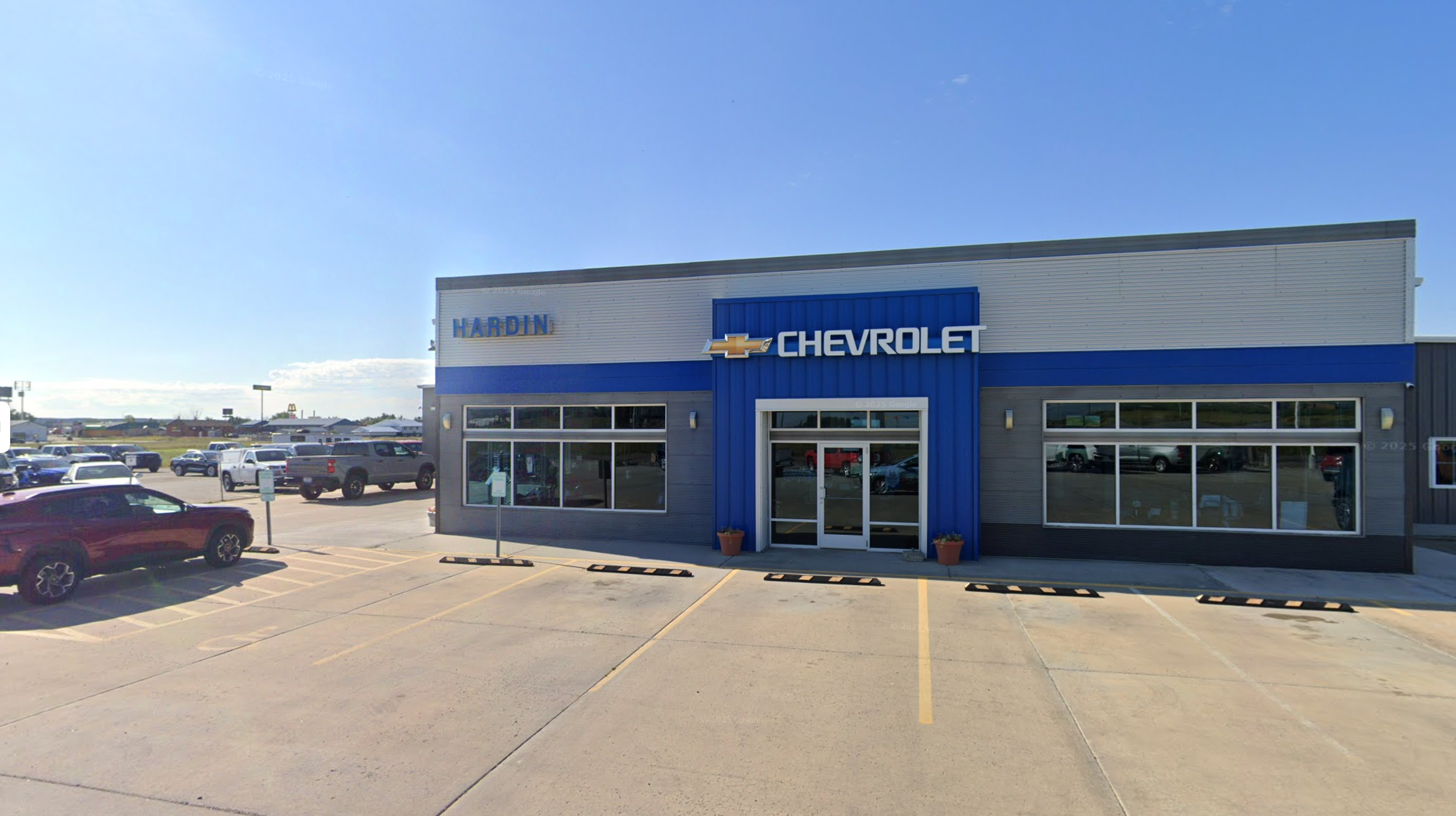
Hardin Chevrolet lists sales, service, and parts contact paths, and the site also highlights trained and certified technicians, service scheduling, GM parts, and parts request support. Those details matter because ownership does not end when paperwork is signed.
Before choosing a dealership, review:
- Service hours
- Appointment scheduling
- Parts access
- Factory trained technician support
- Warranty repair handling
- Recall support
- Communication during repairs
- Distance from home or work
The tradeoff is convenience versus support depth. A dealership farther from home may still be worth considering if it communicates well, prepares vehicles properly, and can support maintenance after purchase. A closer store may be easier for routine visits, but location alone should not outweigh clarity and follow through.
A strong dealership should give you a purchase path and an ownership path.
Choosing a Montana Dealership Worth the Drive
In Montana, dealership choice is tied to distance, timing, trust, and preparation. A buyer may compare stores across Hardin, Billings, Laurel, Sheridan, Red Lodge, Crow Agency, Forsyth, Roundup, and surrounding areas. That makes clear communication more valuable before the visit begins.
Before choosing where to buy, compare dealerships using a simple standard:
- Do they answer direct questions?
- Do their reviews show clear patterns?
- Do they explain pricing before arrival?
- Do they confirm the exact vehicle?
- Do they make financing and trade steps understandable?
- Do they support service after the sale?
- Do they respect the time it takes to visit?
The right dealership should make the next step easier to understand. You should know which vehicle you are seeing, what questions still need answers, what documents to bring, and who to contact before you leave home.
A good dealership choice is not about pressure. It is about clarity from the first question through the miles that follow.
Frequently Asked Questions About Choosing a Dealership
How do I know if a car dealership is trustworthy?
Look for clear communication, consistent review patterns, transparent pricing answers, confirmed vehicle availability, and service support after purchase.
Should I compare dealerships before buying a car?
Yes. Comparing dealerships helps you evaluate pricing clarity, communication, inventory readiness, financing explanations, and future service access.
Are dealership reviews reliable?
Reviews are useful when read as patterns. Focus on repeated comments about communication, pricing, vehicle readiness, paperwork, trade appraisals, and service support.
What questions should I ask before visiting a dealership?
Ask whether the exact vehicle is available, whether the listed price includes required fees, whether add ons are optional, what documents to bring, and whether the vehicle is ready to drive.
Why does service support matter when choosing a dealership?
Service support matters because maintenance, warranty repairs, recall checks, parts orders, and future questions may all happen after the sale.
(Note: This article focuses on providing valuable information and does not mention specific pricing, for more information about financing and car buying, please reach out to our dealership.)