





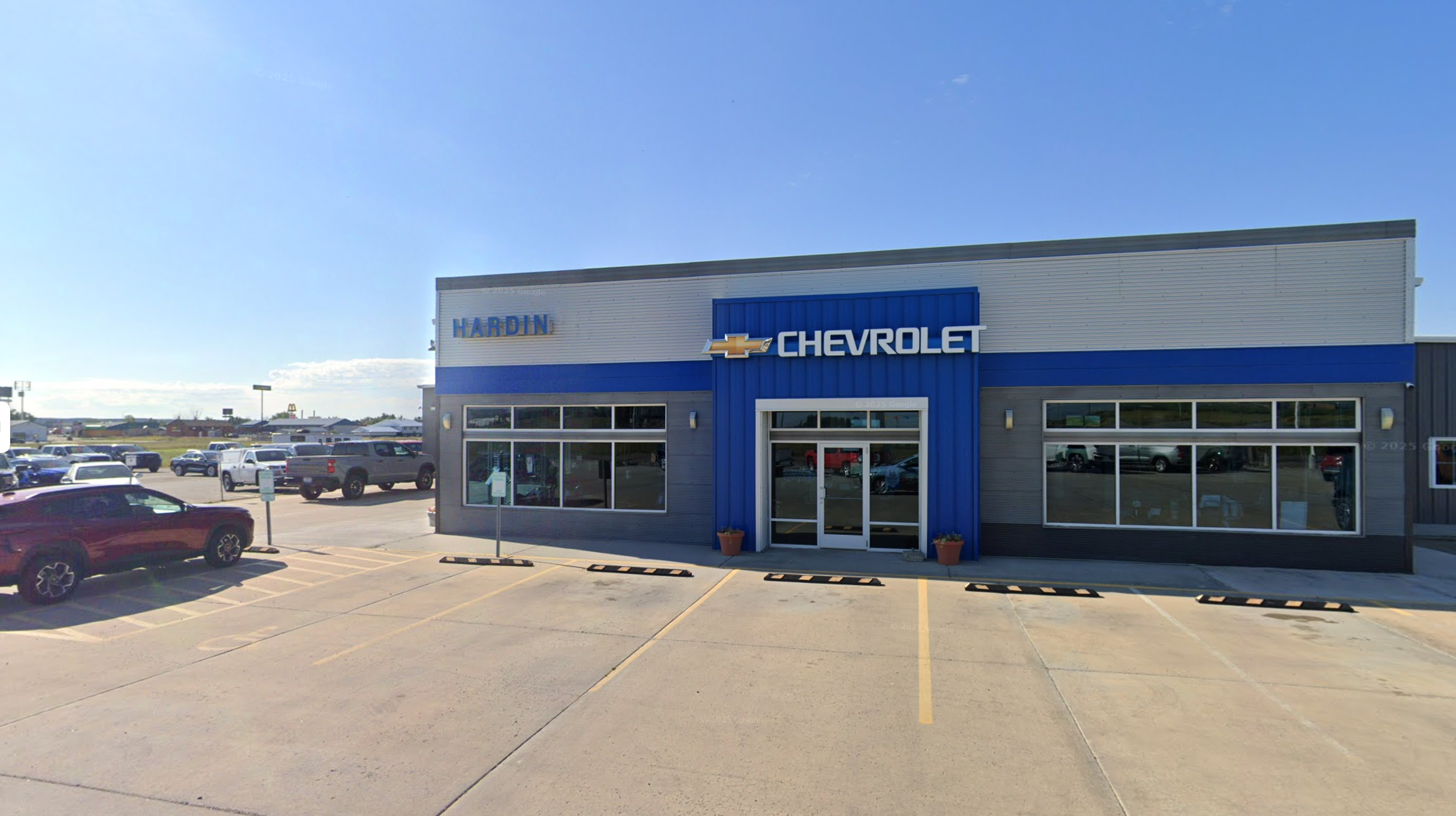
Buying a Car at Hardin Chevrolet
See how you can prepare online before visiting Hardin Chevrolet so your buying process starts with clearer expectations
Explore your trade-in and financing options before your visit so you can compare numbers with less pressure
Call now to talk through what to expect at Hardin Chevrolet before you make time for a dealership visit
| Sales | ||
| Day | Open | Closed |
| Monday | 8:00AM | 5:00PM |
| Tuesday | 8:00AM | 5:00PM |
| Wednesday | 8:00AM | 5:00PM |
| Thursday | 8:00AM | 5:00PM |
| Friday | 8:00AM | 5:00PM |
| Saturday | 9:00AM | 4:00PM |
| Sunday | Closed | Closed |
What the First Conversation Should Clarify Before You Look at Vehicles
For many shoppers, the hardest part of buying a vehicle is not comparing models. It is deciding whether the dealership visit will feel useful, organized, and worth the time. That hesitation usually comes from the same concerns: pressure to move too quickly, uncertainty about how the process works, and worry that the visit will create more confusion instead of solving it.
A stronger buying experience begins by making the first conversation clear and purposeful. The opening discussion should identify why you are shopping, what type of vehicle fits your priorities, whether you are replacing a current vehicle, and which questions need answers before numbers are reviewed. That structure matters because it determines whether the visit becomes more focused or more scattered.
This is also the point where shoppers can tell whether the experience feels guided or pushed. A helpful conversation should narrow the next step. It should not create pressure to commit before the right vehicle has been identified. If you already know what body style or capability you need, the discussion should move efficiently toward availability and fit. If you are still comparing, it should reduce options in a way that saves time. The decision value of this stage is not only speed. It is whether the visit becomes easier to navigate after the first few minutes.
How Vehicle Selection and the Test Drive Should Narrow the Decision
Once the first conversation establishes what you actually need, the next stage should not feel like wandering through inventory without direction. Vehicle selection should narrow the field according to use, comfort, budget range, and the features that matter most to your daily driving. This is where a dealership visit either becomes more efficient or starts to feel longer than it needs to.
A test drive should do more than confirm that a vehicle moves the way you expected. It should help you evaluate whether the driving position, visibility, cabin layout, technology access, and overall comfort match how you actually use a vehicle. That distinction matters because shoppers who treat the test drive as a formality often leave with impressions but not clear decisions.
There is a real tradeoff here between variety and clarity. Looking at too many vehicles can make the process feel productive while actually adding fatigue. A more useful experience narrows the decision by explaining why one option supports your priorities better than another. For one shopper, that may mean cargo flexibility versus lower cost. For another, it may mean easier daily comfort versus capability they will rarely use. The point is not to see more vehicles. It is to leave the test drive with a clearer sense of which option still belongs in the decision and which one does not.
Where Trade-In and Financing Conversations Fit Into the Process
Trade-in and financing conversations often create the most anxiety because shoppers worry that this is where the visit stops feeling transparent. In a stronger buying process, these discussions should work as decision tools rather than pressure points.
A trade-in conversation should answer one central question: how does your current vehicle affect the structure of your next purchase. Condition, mileage, and market value all matter, but the purpose is not simply to generate a number. It is to show how trading, keeping, or selling the vehicle changes the path forward. If you are comparing two vehicles, trade value can help clarify which one fits more comfortably. If you are trying to stay within a certain payment range, it can help explain the relationship between equity, down payment, and financing structure.
- Use the trade-in discussion to understand how your current vehicle affects the purchase structure rather than treating it as a separate event.
- Use financing to compare options clearly so you can see whether the vehicle you prefer still fits the payment and term structure you want.
- Adjust the vehicle decision if needed before paperwork begins, instead of waiting until you feel committed to the wrong fit.
Financing should work the same way. It should help you compare options, not push you into one. When numbers are presented clearly, they should answer whether the vehicle you want still aligns with your budget and overall purchase plan. If the answer is no, this stage should reveal that early enough to make a better decision, not after momentum has replaced clarity.
What Paperwork and Final Review Should Look Like Before You Commit
The paperwork stage carries the most pressure because it is the point where small misunderstandings become actual obligations. That is why the final review should not feel like a quick administrative finish. It should function as a final decision checkpoint.
Before signing, the structure you reviewed should still be clear. That includes the agreed numbers, what is included in the purchase, what is optional, and whether any additional protection products or coverages require a deliberate yes or no. The right final review supports certainty. It does not rely on speed.
There is a useful tension here between momentum and confidence. Most shoppers want the process to keep moving once they have chosen a vehicle, but moving faster only helps when the details remain understandable. If new questions appear during paperwork, the visit stops helping the shopper make a sound decision. A better process does the opposite. It makes the final commitment feel more certain than the opening conversation did.
- Review the purchase structure carefully so the final documents match the agreement you understood.
- Confirm what is included and what is optional before signing anything.
- Use the final review to increase confidence rather than simply rushing to completion.
That is where transparency becomes visible. A dealership experience that values communication should make this stage feel clearer, not heavier.
How to Prepare Before You Visit So the Dealership Process Feels Easier
Preparation is one of the most effective ways to reduce dealership anxiety because it shortens the distance between research and decision. The most useful preparation is not trying to predict every possible financing scenario or memorize every trim difference. It is arriving with enough clarity that the visit can focus on comparison, confirmation, and next steps.
That usually means identifying what problem your next vehicle needs to solve, deciding what financial questions you want answered, and using available online tools before you arrive. Whether you want to estimate trade value, review financing possibilities, or start with more information before visiting, those steps help reduce wasted time and make the in-store conversation more productive.
This stage also helps resolve the biggest pre-visit tension: whether the dealership trip will actually simplify the decision or make it feel heavier. When the visit begins with vehicle priorities, trade context, and at least a basic financing picture, it becomes easier to narrow options and easier to tell when a vehicle is the right fit. That matters most for shoppers who have delayed visiting because they do not want to spend hours in a process that never feels clear.
The strongest decision this page can support is not which vehicle to buy. It is whether visiting Hardin Chevrolet is likely to feel more transparent, more organized, and less stressful than you expected. Once that uncertainty is reduced, the rest of the buying process becomes easier to approach with confidence.
Frequently Asked Questions About Buying a Vehicle at Hardin Chevrolet
Should you get prequalified or preapproved before visiting the dealership?
For many shoppers, yes. Starting with prequalification or preapproval can make the visit more focused because it gives you a clearer budget range and a stronger sense of what payment structure you want to discuss once you arrive.
What should you bring with you to make the dealership visit easier?
A driver’s license, proof of insurance, trade-in details if you have a current vehicle, and any financing or payment questions you want answered can all help the visit move more clearly from comparison into decision-making.
How long can a dealership buying visit take when you are prepared?
Most vehicle purchases take several hours, but the timeline can vary based on how prepared you are. Shoppers who arrive with a clear vehicle choice and pre-approved financing often complete the process in closer to three hours. If you are still comparing options, exploring financing, or deciding on a vehicle during your visit, the process can extend to five to eight hours. Preparation typically reduces delays and helps keep the experience more focused.
Can you arrange more time with a vehicle before making a final decision?
In some situations, dealerships may offer extended or overnight test-drive options. That can be useful when a shopper wants to understand how the vehicle fits normal driving routines, parking, visibility, and day-to-day comfort before committing.
(Note: This article focuses on providing valuable information and does not mention specific pricing, for more information about financing and car buying, please reach out to our dealership.)